Biohazard Cleanup for Apartments and Houses
Death, crime, hoarding, blood and sewage cleanup in houses, condos, two-flats and high-rise units.
Learn moreGet blood, bodily fluids, odor and contaminated materials removed safely from any property in Edmond, day or night.
Containment, entry and cleanup plans can be influenced by local housing, population and access details.
Because renter occupancy is 29.7%, cleanup discussions often can focus on the household without a separate property manager involved.
A median year built of 1993 makes careful moisture readings useful when deciding whether wallboard or flooring can remain.
About 3,695 older residents live alone in Edmond, equal to 24.4% of seniors and still relevant to welfare planning.
The local 82.5% single-family share makes household level privacy practical while affected rooms are isolated and treated.
After crimes, deaths, accidents, a sewage backup or hoarding situations, biohazard cleanup means safe removal, disinfection and disposal of tissue, blood, bodily fluids and infectious or hazardous materials.
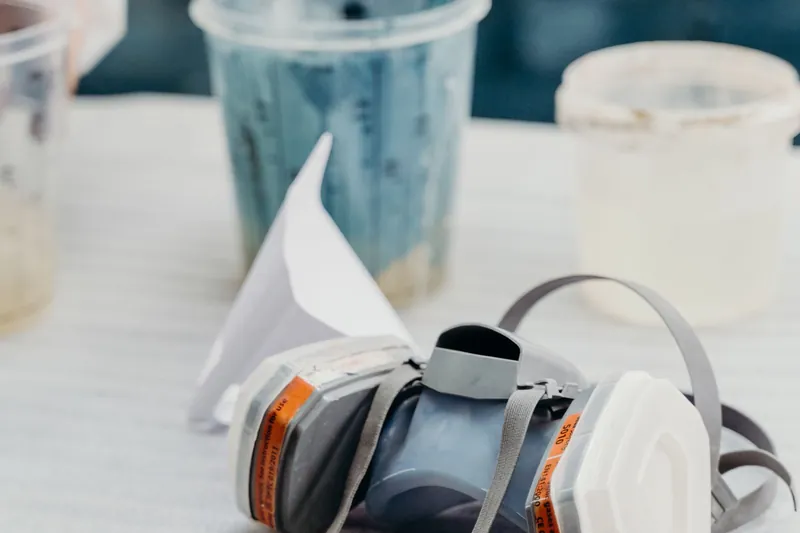
Other names include biohazard remediation, bio hazard cleaning, bio cleanup and trauma cleanup. Professional biohazard cleanup goes further than deep cleaning: technicians wear personal protective equipment, find every place contamination reached, remove porous materials that cannot be disinfected and treat the affected areas until they are back to a livable condition.
Crime scenes, unattended deaths and other traumatic events in Edmond call for specialized cleaning, not household products. Crime scene cleaners use careful scene cleaning methods to remove hazardous waste, treat odor and complete fentanyl cleanup when drugs are involved. Emergency response reaches the surrounding areas too, and the work is a respectful, compassionate service that helps restore safety.
Biohazards are real health hazards that can make people seriously ill, and the contamination you can see is rarely all of it.
Salmonella, E. coli and hepatitis A are risks in raw sewage, and moisture may lead to mold on materials within 24 to 48 hours.
Blood may contain HIV, hepatitis C and hepatitis B. According to the CDC, hepatitis B remains viable on surfaces for at least seven days.
Although bleach and sprays may clean on top, absorbed fluids remain in drywall, subfloor, carpet and its pad. If contaminated matter is left behind, bacteria and odor return. Decontamination services remove that matter.
Decomposition creates bacteria, gases and fluids that enter floors, then travel along the ventilation system into nearby rooms.
Death, crime, hoarding, blood and sewage cleanup in houses, condos, two-flats and high-rise units.
Learn more
Commercial properties can arrange commercial biohazard cleanup around your operating hours following industrial accidents, exposures, injuries or break-ins.
Learn more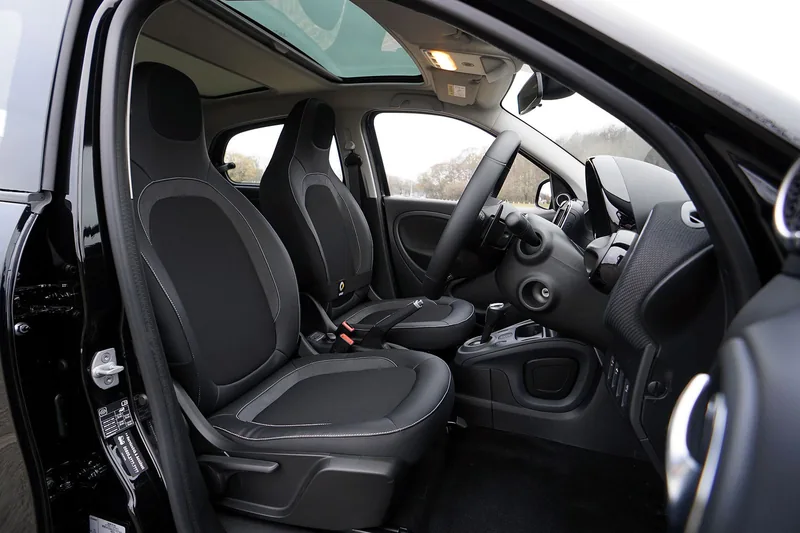
Vehicle biohazard cleanup for blood, bodily fluids and odor in seats, carpet and vents.
Learn more
Quick cleanup prepares units for renting again and includes documentation for insurers and property owners.
Learn moreFind the cleanup page suited to your circumstances. You may call when you need help identifying the appropriate service.
For most people, this happens only once. Following the right opening steps helps protect your health while preserving your claim and cleanup cost.
Call (888) 440-9227From the initial call through the last inspection, the biohazard cleanup process follows a consistent order designed for safety.
Explain the situation. Technicians examine and photograph the area, then confirm the work scope with you.
Plastic sheeting isolates the affected area and stops contaminants from reaching additional rooms.
Porous materials that absorbed infectious materials, such as carpet, pad and drywall, are cut out and sealed as medical waste so nothing is left behind.
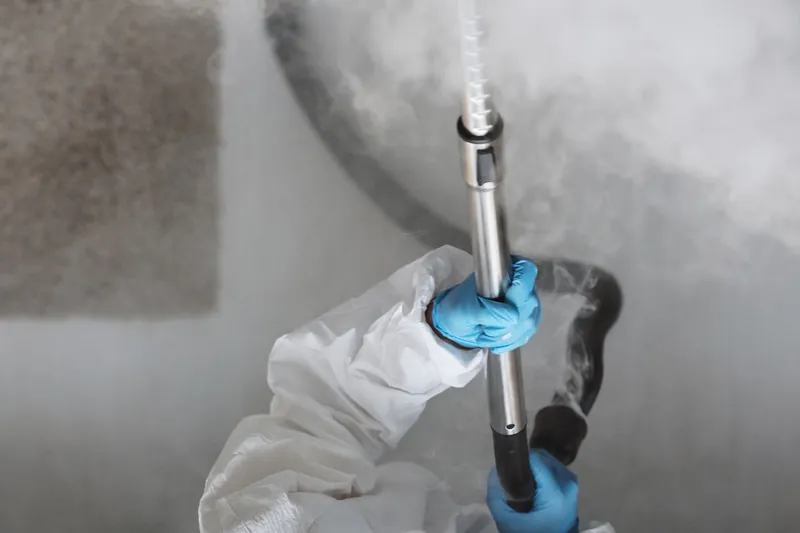
Cleaning every surface is followed by treatment with hospital-grade, EPA-registered disinfectant.
The odor source is treated using ozone, hydroxyl or air scrubbers, and the vents are also examined.
Waste is sealed, tracked with paperwork and taken to a permitted facility for medical waste treatment.
Checks may include ATP testing when needed to verify a livable condition. Photos and supporting records are then given to you for insurance.
Rebuilding areas where drywall or floors were taken out can be done by your contractor or the insurer's vendor.
Pricing sources that have been published place most residential biohazard cleanup work from $1,800 through $8,000. A small blood cleanup may fall below $1,000, while extensive sewage, decomposition or hoarding work may exceed $20,000. An on-site assessment determines the actual price.
Often, it does. After an unexpected death, crime or sewage backup, homeowners or renters insurance often pays for biohazard cleanup once your deductible is subtracted.
The property manager or owner commonly coordinates and funds cleanup for a rented unit or common area.
Victims of violent crime can ask the Oklahoma Crime Victims Compensation Program, run through the Oklahoma District Attorneys Council, about crime scene cleanup, which the Crime Victims Compensation Act lists as an allowable expense. Insurance is usually checked first.
Sudden and accidental events are usually covered. Insurance commonly excludes neglect over time and hoarding. Contact your insurer ahead of any cleanup.
Death cleanup may frequently be paid from the estate. The executor or a family member usually takes care of this.
Phone support stays available. Your property's next cleanup steps can be clarified by a specialist.
Most cleanup projects are completed on site in one to three days. Several days to two weeks may be needed for decomposition, major scenes or hoarding cleanouts.
A few can persist a long time. The CDC says hepatitis B can survive on surfaces for at least seven days, so dried blood should be treated as infectious.
Any biological substance capable of causing illness is a biohazard, including tissue, bodily fluids, blood, used needles, untreated sewage, human waste and animal waste.
One to three days is a common window for sewage-related symptoms to appear, but some infections need more time. Do not make contact, and keep pets and children out.
The medical examiner or a funeral home removes the body. After body removal, cleanup is the responsibility of the family or property owner, who will often hire a biohazard cleanup company.
Your call is answered 24 hours a day, including weekends and holidays.